
Greenwood Family Dentistry | Extractions | Trenton & Hamilton, NJ
Tooth Extractions in Trenton, NJ — Everything You Need to Know Before Your Appointment
Tooth extraction is the clinical procedure which is done to permanently remove a dead and decaying tooth. However, post extraction oral health care is as important to not have further complications. The bacteria that are present in rotten teeth can easily enter your bloodstream and increase the risk of several heart problems through their virulence. So, it’s really important to get rid of the rotten tooth and also give proper attention to aftercare, which is going to speed up safe healing.
Did you just have a dental checkup and your family dentist in NJ recommended a tooth pull? It’s understandable that you want to know everything, from extraction procedure to the tooth extraction oral health care tips. To make your tooth pull worry-free, skim through this article for all the guidance you need.
What Is a Tooth Extraction and Why Might You Need One?
Most people get afraid of the procedure, but the point is that it’s easier and more comfortable than you think. However, dentists classify dental procedures into two main types, surgical and simple. Which one you will exactly receive will depend on following factors.
Before the procedure:
A dentist takes an X-ray first to see the tooth root position. Local anesthesia is given to numb the area completely. You feel pressure but zero pain during the procedure
Simple Extraction:
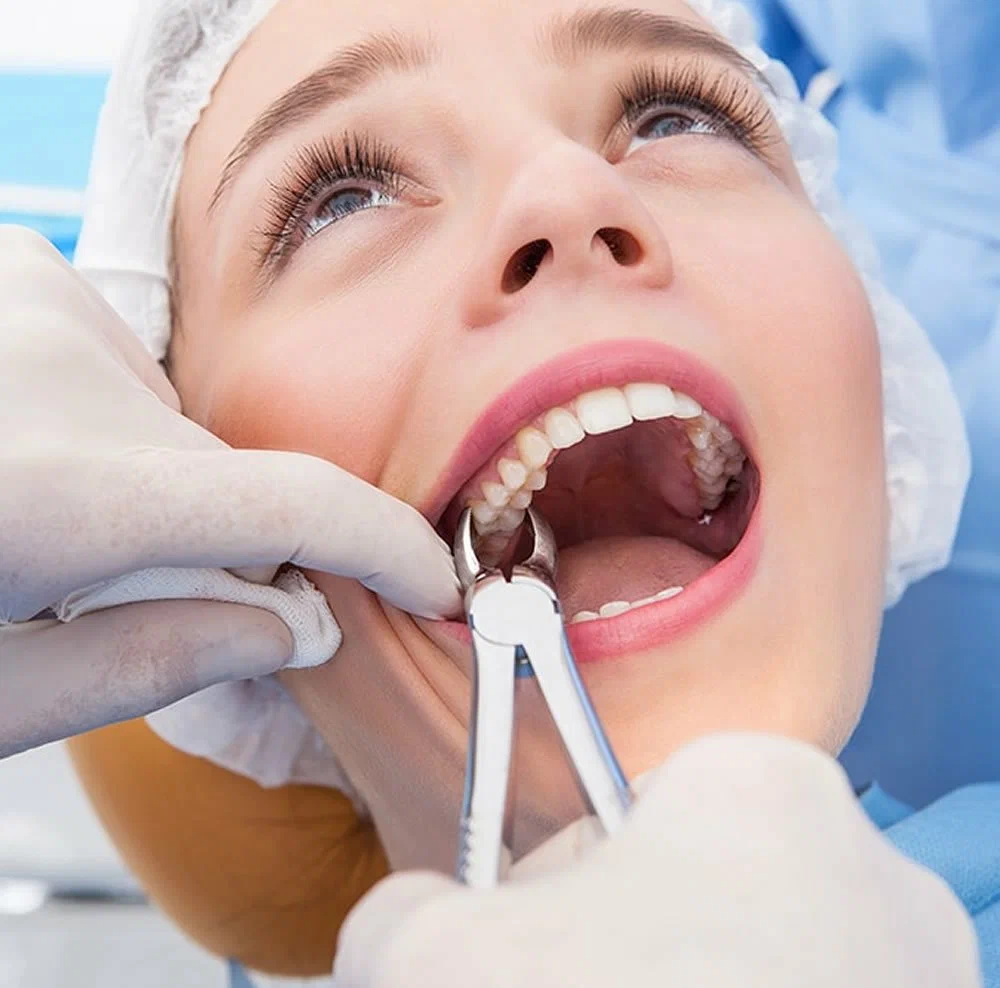
For teeth that are fully visible in the mouth, a dentist uses an elevator tool to loosen the tooth first. Then forceps to rock it gently and pull it out which takes literally 5 to 10 minutes. This is the most affordable extraction option with minimal recovery time. Most dental insurance plans cover simple extractions either fully or partially
Surgical Tooth Extraction:
For broken, impacted, or wisdom teeth under the gum, a small cut is made in the gum to access the tooth. A tooth is sometimes cut into pieces for easier removal. This takes longer and costs more than a simple extraction. You will also be referred to an oral surgeon by your trusted family dentist if needed.
However, if cost is a concern, talk to your dentist upfront and plan accordingly. Many practices offer payment plans, and most dental insurance plans cover a good portion of the cost of the procedure. An affordable extraction is possible when you go to the right place.
Benefits of Tooth Extraction
When a tooth is causing more damage than good, taking it out is honestly the smarter call for your overall mouth health. It is essential to protect other teeth from cavities, pain and bad odor. Most people go for wisdom tooth extraction due to poor alignment and less benefits. Here are more benefits you can expect when recommended for a tooth pull.
Stops pain for good
A badly decayed or infected tooth causes constant throbbing pain, which is temporarily relieved by filling. But tooth extraction ends that pain completely and immediately.
Helps eliminating the Infection
Your neighboring teeth and gums can be infected fast from the bacteria of an infected tooth even when you try to control it. The infection can even reach the jawbone if ignored long enough. Removal of infected tooth stops that from happening.
Protects surrounding teeth
If you one damaged teeth, then it can push neighboring teeth out of alignment, causing further damage and infections. For this purpose, early extraction is used as a tooth decay prevention method to protect the rest of your smile.
Prepares for braces or dentures
Orthodontists often need space before placing braces. So, extraction creates that space and makes treatment more effective.
Saves money long term
Repeated treatments on a tooth that cannot be saved cost more over time. One tooth extraction is often the smarter financial decision.
A family dentist in New Jersey like Dr Farah Shariff of Greenwood Family Dentistry can assess whether saving or removing the tooth makes more sense for your situation.
Care After Extraction
After extraction, your oral health care matters from the first 24 hours. The empty socket builds a blood clot after extraction and protecting it in the first 24-72 hours is necessary. If socket dries out, it affects 2 – 5% of all tooth extractions, leading to alveolar osteitis. Here are all post extraction oral health care tips for the first 24 hours and after a day to prevent any irritation or painful condition.

First 24 hours:
Bite on gauze for 30 to 45 minutes to control bleeding. Keep ice pack on and off to reduce swelling. Rest, no exercise, head elevated. Take medication on time.

What to eat
Have liquids or eat soft foods only. Soup, porridge, mashed potatoes, yogurts and smoothies, etc. You shouldn't be eating any food that takes hard chewing regardless of what tooth pulling procedure you had.

After a day
Gently rinse with saltwater 2-3 times. Good oral health care and cleaning in this phase speeds up healing significantly. Go for follow up dental checkups to monitor and treat any possible complications early.
Our Tooth Extraction Process
At Greenwood Family Dentistry, we prioritize a comfortable and stress-free experience from start to finish.

Initial Examination
We assess the tooth, take X-rays. Evaluate surrounding bone and gum tissue to determine the safest extraction approach.

Treatment Planning
We walk through what to expect, whether the extraction will be simple or surgical, and discuss replacement options if relevant.

The Extraction
The tooth is removed under local anesthesia. We have sedation options available for patients who need extra support staying comfortable.

Recovery Support
We provide clear aftercare instructions covering bleeding, swelling, diet, and warning signs of complications like dry socket.
Experience Stress-Free, Affordable Care in Greenwood Family Dentistry
Tooth pulling is never the first choice and it comes with fears and confusion that makes it hard to make a decision. A trusted family dentist understands that tooth extractions and after care is worrisome and requires a thorough, gentle guidance for a patient to be ready for this procedure.
At Greenwood Family Dentistry, your family’s oral health always comes first. Whether your recovery is from a routine extraction or a surgical tooth extraction, Dr. Farah Shariff here guides your oral health journey every step of the way and takes time to first try preserving your natural tooth with an implant or crown, before opting for extraction. Her advanced techniques with 30+ years of experience and clear, practical extraction oral health care tips makes patients recovery comfortable.
We also know this kind of treatment can come up unexpectedly, so we work with most dental insurance plans and offer flexible payment options for patients across Trenton, Hamilton, and Mercer County.
If a tooth is causing pain or you’ve been told it needs to come out, don’t put off the conversation. Call Greenwood Family Dentistry today at 609-587-6670 or visit our office to schedule an evaluation.

PATIENT EXPERIENCES
What Our Patients Are Saying
EXCELLENT Based on 20 reviews
 Posted on Google
 Jake PhillipsAlways easy to find an appointment and the staff are lovely and fast!Posted on Google
 Brett RobertsDr. Shariff is wonderful and sensitive to a patient's discomfort.Posted on Google
 Janio CardonaI’have been a patient of Greenwood Family Dentistry (1902 Greenwood Aven Trenton, Nj)for over two decades, and it’s truly been one of the best dental experiences I’ve had . Back when Dr Richard Nedelman owned the practice , he was an absolute professional- whether it was a routine cleaning, root canals,filling in different materials or any other dental treatment, he always did exceptional work.He was patient,skilled , and even offered flexible payments arrangements to make things more comfortable for his patients. It was incredibly care, and I trusted him completely. After Dr Nedelman got retired a few years ago I was a bit worried about the change,but the new owner, Dr Farad Shariff has been just as outstanding. She is an excellent professional who take her time throughoutly explain every procedure, answer all questions and makes sure you feel comfortable and informed. The entirely staff is efficient,friendly and very punctual- appointments start on time with almost no waiting time.If something comes up and you need to reschedule, they handle it courteously and work with you to find a better date and time.Overall the level of customer service and quality of treatments remains Top-Noch. Greenwood Family Dentistry is a fantastic option for anyone looking for reliable, caring Family Dental Care in the Trenton area. I highly recommend Dr Shariff and the team -A-Plus from me.Posted on Google
 Sarahi DLConvenient hours available if you have a busy life. Friendly staff and always willing to work with one around dental care needs. Thank you!Posted on Google
 Mark UVery professional and accommodating. Dr. Shareef and her staff are courteous and friendly. Dr. Shareef is very knowledgeable in her work and advice. I had 2 different procedures with her in the past few years, and both were very efficient and excellent. I'm very satisfied and would recommend her to anyone and everyone.Posted on Google
 Clifton GrimesDr. Shariff and her team are amazing! The staff are caring, friendly and knowledgeable, and they always make me feel at ease. Dr. Shariff is the best dentist I’ve ever been to, period! Her gentle manner completely removed my fear of dental visits (especially injections 💉💉). I’m so grateful to have found a dentist who truly cares about her patients! Highly recommended!Posted on Google
 Jay DunnThe dentist always cares about the patient's well being.Posted on Google
 shania roseVery clean and peaceful environment. The staff was very pleasant and welcoming. The wait time was not long which I’m thankful for. After my service was done I was informed about possible problem areas and how they could be addressed so that gave me peace of mind. Overall 10/10 experience.
FAQ's
Frequently Asked Questions
The extraction itself is done under local anesthesia, so you shouldn't feel pain during the procedure — pressure, yes, pain, no. Some soreness and swelling afterward is normal and typically manageable with over-the-counter pain relief, though surgical extractions like impacted wisdom teeth may need something stronger for the first day or two.
A standard extraction socket heals in about 3 to 5 days, with full recovery generally taking a couple of weeks. Surgical extractions, especially impacted wisdom teeth, tend to take longer to fully heal. Most patients are back to normal activity within a few days, just with some care taken around the extraction site.
Dry socket happens when the protective blood clot in the socket dislodges or breaks down before healing is complete, exposing bone and nerve underneath. It affects roughly 2% to 5% of standard extractions, though the risk is significantly higher for lower wisdom teeth. It's painful but treatable — if pain suddenly worsens a few days after your extraction instead of improving, that's the signal to call us rather than wait it out.
Soft foods for the first day or two — think yogurt, mashed potatoes, smoothies without a straw, and similar options that don't require much chewing near the extraction site. Avoid hot foods, hard or crunchy items, and anything that requires suction, like drinking through a straw, since that motion alone can dislodge the healing clot.
Using a straw or smoking too soon afterward. Both create suction in the mouth that can pull the healing blood clot loose and lead directly to dry socket. The second common mistake is putting off the decision about whether to replace the tooth — once bone loss and shifting start, replacement gets more complicated and often more expensive than it would have been early on.
More changes than most people expect, and they start fairly quickly. The jawbone in that area can lose an estimated 30% to 60% of its volume within six months without a tooth root to stimulate it. Neighboring teeth often begin drifting into the gap, which can throw off your bite and make those teeth harder to clean properly. Left long enough, this combination of bone loss and shifting can lead to further tooth loss and make future replacement options like implants more involved, sometimes requiring bone grafting first.
Your smile is worth protecting. Schedule your appointment today.
We serve patients from Trenton, Hamilton Township, Lawrence Township, Ewing, Princeton Junction, and the surrounding Mercer County area.
- 609-587-6670
- info@greenwoodfamilydentistry.org
- 1902 Greenwood Ave. Trenton, NJ 08609
- Our Hours: Mon & Wed 4PM - 7PM | Fri & Sat 9AM- 2PM
- We offer Evenings, Weekday & Weekend Hours