
Greenwood Family Dentistry | Deep Cleaning | Trenton & Hamilton, NJ
Deep Cleaning in Greenwood Family Dentistry: Everything You Need to Know Before Your Appointment
Bleeding gums when you brush, or a mouth that never quite feels clean no matter how often you floss — these aren’t things to just live with. They’re usually signs that plaque and tartar have built up somewhere your toothbrush can’t reach. A deep cleaning is how we get to it. It’s more involved than a regular cleaning, but it’s also one of the most effective treatments in dentistry for stopping gum disease before it does real damage.
What Is a Deep Cleaning and Why Do You Need It?
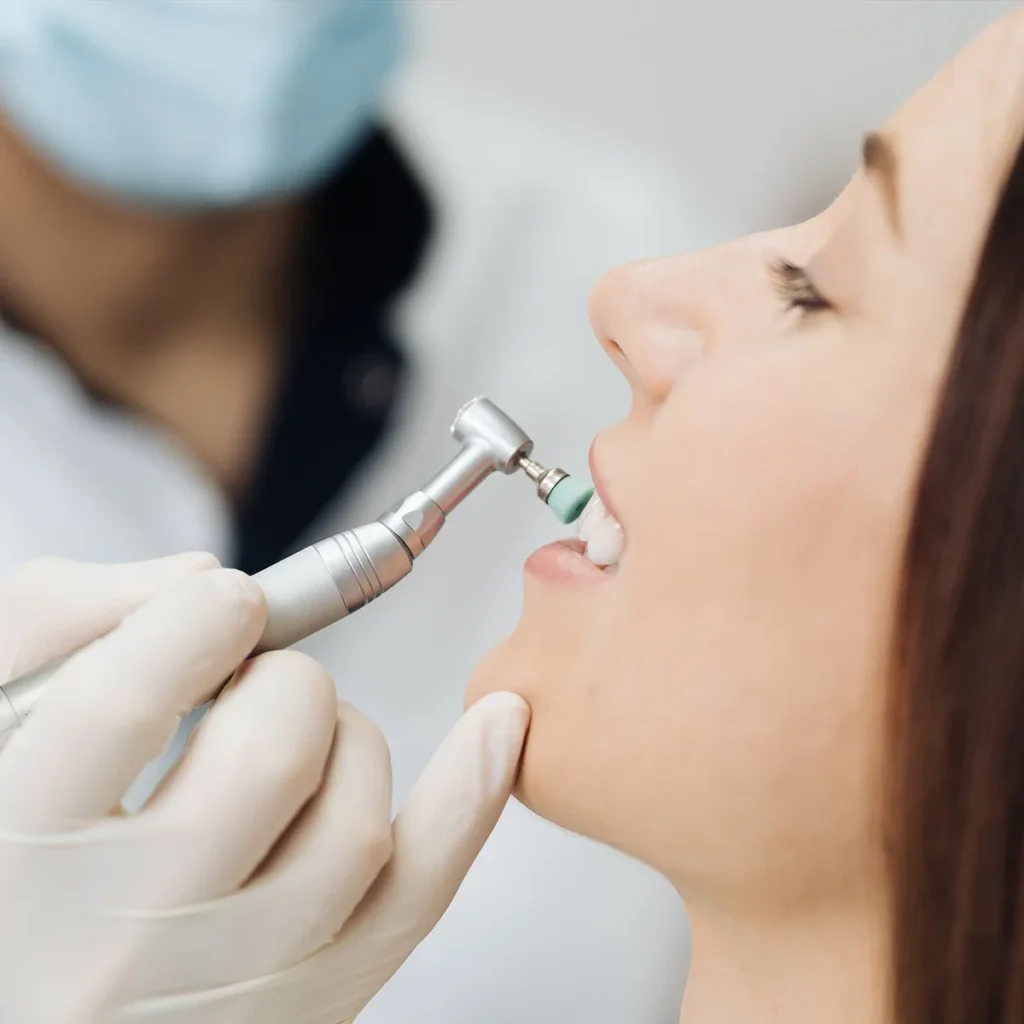
A deep cleaning, also called scaling and root planing, is a treatment that removes plaque, tartar, and bacteria from below the gumline — the area a regular cleaning and your daily brushing simply can’t access. Scaling clears that buildup out. Root planing goes further, smoothing the root surface so inflamed gum tissue has a clean, even surface to reattach to as it heals.
This isn’t a procedure dentists reach for casually. The ADA considers it one of the most effective treatments for early-to-moderate gum disease, and it’s typically the first line of treatment tried before anything more invasive. A review of 72 studies published in the Journal of the American Dental Association found that deep cleaning improves gum reattachment by an average of 0.5 millimeters. That might sound small, but in periodontal terms it’s often the difference between a pocket that keeps deepening and one that stabilizes. Other research has found pocket depths can shrink by 1 to 2 millimeters after treatment, with up to 80% success in stabilizing moderate cases.
The stakes are real. Left untreated, gum disease is a leading cause of adult tooth loss. Patients who stay consistent with periodontal care — deep cleanings when needed plus the maintenance visits that follow — are up to 60% less likely to lose teeth than those who delay or skip treatment.
Your Treatment Options
How much treatment you need depends on how far things have progressed by the time you come in:

Gum Evaluation & Pocket Measurement
Before any cleaning happens, we measure pocket depth around each tooth and check for bleeding, recession, and tartar buildup to confirm a deep cleaning is the right call.

Scaling
Using ultrasonic instruments, hand tools, or both, we clear plaque and tartar from the tooth surface and out of the pockets between teeth and gums — above and below the gumline.

Root Planing
The root surface is smoothed to remove bacterial toxins and rough spots, giving your gum tissue the best possible surface to reattach to as it heals.
Our Deep Cleaning Process
At Greenwood Family Dentistry, we make treatment comfortable while focusing on restoring your gum health and preventing future problems.

Gum Evaluation
We assess gum health, measure pocket depth, and review X-rays to determine the extent of treatment needed.

Scaling Treatment
Plaque and tartar are carefully removed from beneath the gumline using ultrasonic or manual instruments.

Root Planing
Root surfaces are smoothed to remove bacteria and encourage gum tissue to reattach and heal properly.

Ongoing Care
We schedule a follow-up, typically four to six weeks out, to remeasure pockets and confirm healing is on track.
Experience Stress-Free, Affordable Care in Greenwood Family Dentistry
We know deep cleanings have a reputation, and we work to make that reputation undeserved. Local anesthesia keeps the procedure comfortable, and our team explains what’s happening at each step. We also know this kind of treatment often isn’t planned for, so we work with most dental insurance plans — which frequently cover a meaningful portion of scaling and root planing — and offer flexible options for patients across Trenton, Hamilton, and Mercer County without coverage.
Don’t wait for bleeding gums to turn into something more serious. Call Greenwood Family Dentistry today at 609-587-6670 or visit our office to schedule your evaluation.
PATIENT EXPERIENCES
What Our Patients Are Saying
EXCELLENT Based on 20 reviews
 Posted on Google
 Jake PhillipsAlways easy to find an appointment and the staff are lovely and fast!Posted on Google
 Brett RobertsDr. Shariff is wonderful and sensitive to a patient's discomfort.Posted on Google
 Janio CardonaI’have been a patient of Greenwood Family Dentistry (1902 Greenwood Aven Trenton, Nj)for over two decades, and it’s truly been one of the best dental experiences I’ve had . Back when Dr Richard Nedelman owned the practice , he was an absolute professional- whether it was a routine cleaning, root canals,filling in different materials or any other dental treatment, he always did exceptional work.He was patient,skilled , and even offered flexible payments arrangements to make things more comfortable for his patients. It was incredibly care, and I trusted him completely. After Dr Nedelman got retired a few years ago I was a bit worried about the change,but the new owner, Dr Farad Shariff has been just as outstanding. She is an excellent professional who take her time throughoutly explain every procedure, answer all questions and makes sure you feel comfortable and informed. The entirely staff is efficient,friendly and very punctual- appointments start on time with almost no waiting time.If something comes up and you need to reschedule, they handle it courteously and work with you to find a better date and time.Overall the level of customer service and quality of treatments remains Top-Noch. Greenwood Family Dentistry is a fantastic option for anyone looking for reliable, caring Family Dental Care in the Trenton area. I highly recommend Dr Shariff and the team -A-Plus from me.Posted on Google
 Sarahi DLConvenient hours available if you have a busy life. Friendly staff and always willing to work with one around dental care needs. Thank you!Posted on Google
 Mark UVery professional and accommodating. Dr. Shareef and her staff are courteous and friendly. Dr. Shareef is very knowledgeable in her work and advice. I had 2 different procedures with her in the past few years, and both were very efficient and excellent. I'm very satisfied and would recommend her to anyone and everyone.Posted on Google
 Clifton GrimesDr. Shariff and her team are amazing! The staff are caring, friendly and knowledgeable, and they always make me feel at ease. Dr. Shariff is the best dentist I’ve ever been to, period! Her gentle manner completely removed my fear of dental visits (especially injections 💉💉). I’m so grateful to have found a dentist who truly cares about her patients! Highly recommended!Posted on Google
 Jay DunnThe dentist always cares about the patient's well being.Posted on Google
 shania roseVery clean and peaceful environment. The staff was very pleasant and welcoming. The wait time was not long which I’m thankful for. After my service was done I was informed about possible problem areas and how they could be addressed so that gave me peace of mind. Overall 10/10 experience.
FAQ's
Frequently Asked Questions
Most patients experience only mild discomfort, especially with local anesthesia numbing the area beforehand. Some sensitivity to hot and cold, along with mild gum tenderness, is normal for a few days afterward and typically responds well to over-the-counter pain relief. It's generally far more manageable than its reputation suggests.
A regular cleaning addresses the visible tooth surface above the gumline. A deep cleaning goes below it, removing bacteria and tartar from the pockets between teeth and gums and smoothing the root surface itself. It's recommended specifically when pocket depths or signs of gum disease indicate a regular cleaning won't be enough.
It depends on how much of the mouth needs treatment. Many patients are treated over one to four visits, often split into quadrants so each area gets focused attention. A single quadrant typically takes under an hour, though more extensive cases may need additional time or follow-up sessions.
In most cases, yes. Research shows deep cleaning improves gum reattachment by an average of half a millimeter, and pocket depths often shrink by 1 to 2 millimeters, with up to 80% success in stabilizing moderate gum disease. A follow-up visit four to six weeks later lets us confirm inflammation has gone down and pockets are shrinking as expected.
Treating it as a one-and-done fix instead of the start of ongoing maintenance. Scaling and root planing controls existing gum disease, but without consistent home care and follow-up cleanings, bacteria can return and pockets can deepen again. Smoking compounds this significantly — the CDC notes smokers face roughly double the risk of gum disease compared to nonsmokers, and treatment tends to be less effective if smoking continues afterward.
It doesn't stay the same — it progresses. Plaque and bacteria continue breaking down the tissue and bone supporting your teeth, pockets deepen further, and the bone loss that occurs becomes permanent rather than reversible. Left long enough, this is how gum disease becomes the leading cause of tooth loss in adults. Catching it at the deep-cleaning stage is almost always simpler, less invasive, and less costly than what's required once the disease has advanced further.
Your smile is worth protecting. Schedule your appointment today.
We serve patients from Trenton, Hamilton Township, Lawrence Township, Ewing, Princeton Junction, and the surrounding Mercer County area.
- 609-587-6670
- info@greenwoodfamilydentistry.org
- 1902 Greenwood Ave. Trenton, NJ 08609
- Our Hours: Open Weeknights and Weekends